Kraków Street Art Walk: Murals in Kazimierz, Podgórze and Zabłocie
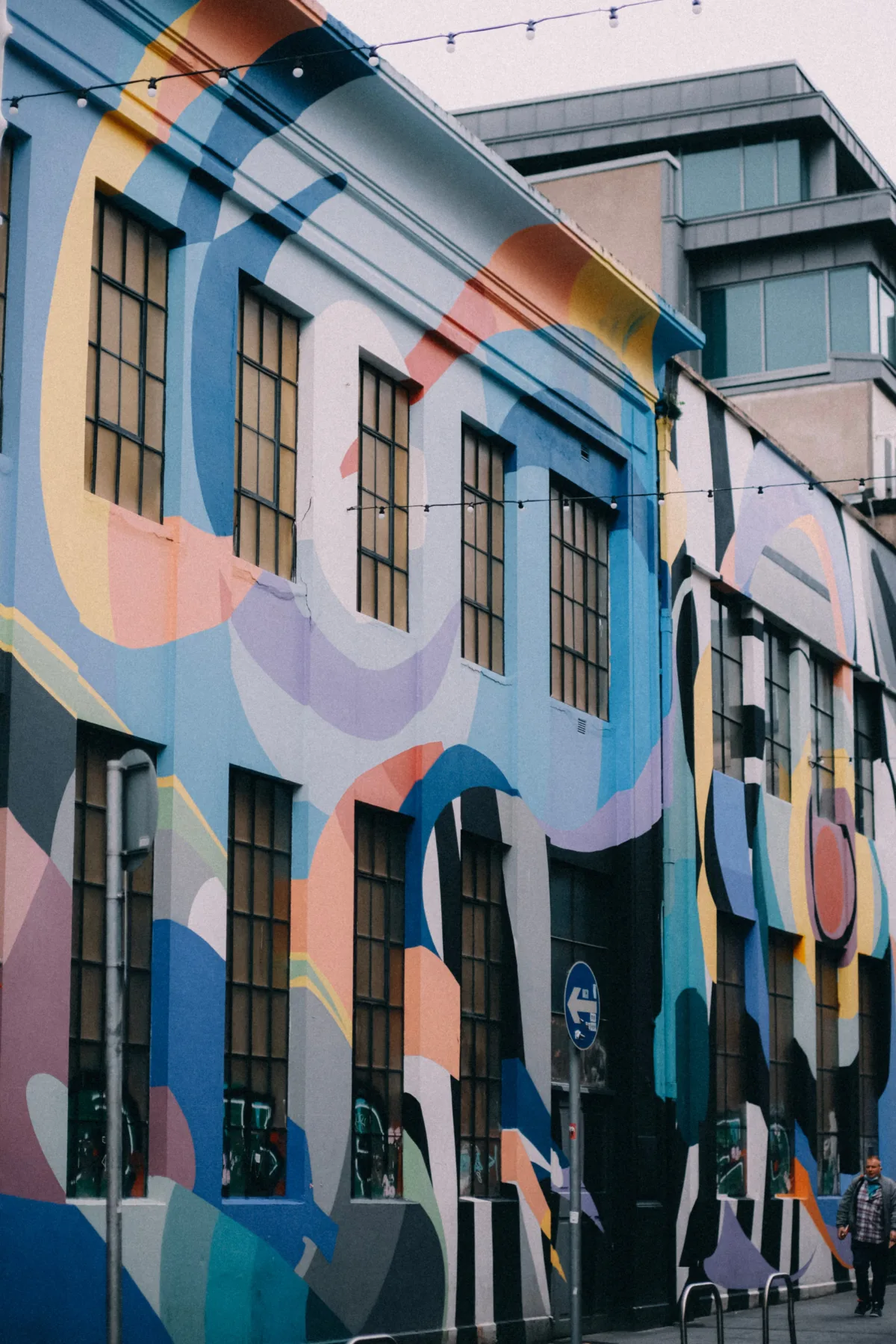
Kraków wears its history on grand façades — but turn a few corners and you find it on them too, in large-scale murals that have turned whole walls into open-air paintings. Most are gathered in three neighbourhoods south of the Old Town, and linking them makes a relaxed half-day walk through a very different side of the city. For the wider picture, see our Kraków travel guide and things to do in Kraków.
The route at a glance
- Where: Kazimierz, Podgórze and post-industrial Zabłocie, all south of the Old Town.
- Distance: roughly 3–4 km if you link all three; easy to shorten to one area.
- Time: 2–3 hours at a wandering pace.
- Good to know: street art is temporary by nature — some pieces here have become landmarks, others come and go, so treat this as a route through the best areas rather than a fixed checklist.
Kazimierz
Start in Kazimierz, where several of the city’s best-known murals hide in the lanes. The most famous is “Judah” by the Israeli artist Pil Peled — a huge, haunting portrait on a wall off Józefa Street that has become one of the quarter’s emblems. Others appear on gable ends and courtyards around it; just walking the streets between Plac Nowy and the river turns up new ones. Our Kazimierz guide covers the quarter itself.
Across the river to Podgórze
Cross the Bernatek Footbridge into Podgórze, where murals mix with the district’s wartime memory and its newer creative life. The walls here range from playful to political, and the riverside setting makes the walk a pleasure in itself. See our Podgórze guide for the wider quarter.
Zabłocie
Keep going into Zabłocie, Kraków’s old industrial quarter behind Schindler’s Factory, now full of converted warehouses, lofts and some of the city’s largest murals — big, bold works that suit the scale of the buildings. It is the most “street art” of the three areas, and a natural end point near MOCAK, the Museum of Contemporary Art.
How Kraków’s murals happen
Many of the city’s murals were painted for festivals and city projects or with the owners’ blessing, which is why they cluster where they do. Because they are exposed to weather and redevelopment, the scene keeps changing — part of the appeal is that no two years look quite the same. If you want to be sure of seeing specific works, check a current street-art map before you set out.
Practical tips
- Getting there. Begin in Kazimierz, a short walk or tram ride from the Old Town, and work south on foot across the river.
- Cost. The walk is free and outdoors; you pay only if you go into MOCAK or other museums along the way.
- Check first. Murals are temporary — a quick look at a current map saves disappointment if you are hunting a particular piece.
- Combine it. The route overlaps neatly with Kazimierz and Podgórze; see our 2–3 day itinerary to fit it in.
Frequently asked questions
Most of the city’s murals are concentrated in three neighbourhoods south of the Old Town: Kazimierz, Podgórze and the post-industrial Zabłocie quarter behind Schindler’s Factory.
The large portrait known as “Judah” by the Israeli artist Pil Peled, on a wall off Józefa Street in Kazimierz, is the best known and has become an emblem of the quarter.
About 2–3 hours at a wandering pace if you link Kazimierz, Podgórze and Zabłocie — roughly 3–4 km. You can easily shorten it to a single area.
Some pieces have become permanent landmarks, but street art is temporary by nature — murals are repainted, weathered or lost to redevelopment, so the scene changes from year to year. Check a current map for specific works.
Yes — it is an outdoor, self-guided walk that costs nothing. You only pay if you choose to visit a museum such as MOCAK along the way.
Easily. The route runs through Kazimierz and Podgórze, so it pairs naturally with those guides and with a visit to Schindler’s Factory or MOCAK in Zabłocie.
Comments
No comments yet — be the first on the forum.
Add a comment on the forum →