Kraków Facts and Curiosities: Things You Didn’t Know
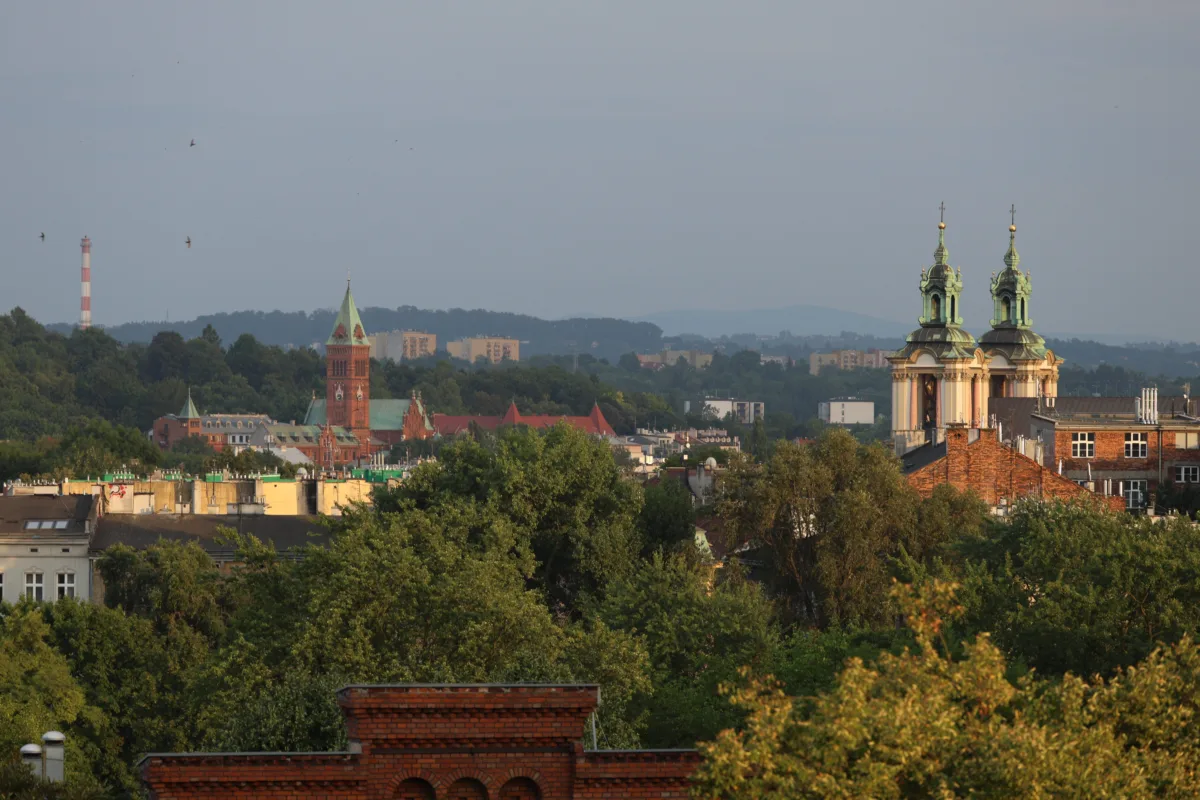
Kraków is the kind of city where almost every corner comes with a story, a record or a legend. Here is a collection of facts and curiosities that make more sense of what you are looking at — good to read before you come, or to share over a drink on the square. For the wider picture, see our Kraków travel guide and things to do in Kraków.
A former royal capital
Kraków was the capital of Poland for centuries, until the court moved to Warsaw in 1596. Even after that, Polish kings continued to be crowned and buried at Wawel Cathedral, which is why the castle hill still feels like the symbolic heart of the nation. The city was also, much later, the home city of Karol Wojtyła — Pope John Paul II, who was its archbishop before his election in 1978.
Records and firsts
- The Main Market Square is the largest medieval town square in Europe, laid out in 1257.
- Kraków’s Old Town was among the first twelve sites in the world inscribed on the very first UNESCO World Heritage List, in 1978.
- The Jagiellonian University, founded in 1364, is one of the oldest universities in Europe; the astronomer Nicolaus Copernicus studied here.
- Unlike Warsaw, Kraków came through the Second World War with its historic core largely intact — which is why so much of it is genuinely old.
A city of stories
Kraków guards its legends fondly. A dragon is said to have lived in a cave beneath Wawel, and a metal statue by the river breathes real fire in its memory. The hejnał, a trumpet call from St Mary’s tower, breaks off mid-note to recall a watchman shot while raising the alarm — and it is played live every day and broadcast across Poland on national radio at noon. Even the pigeons on the square have a legend: enchanted knights, the story says, waiting for their duke to return.
Writers, scholars and art
Kraków is a UNESCO City of Literature, and with reason: two winners of the Nobel Prize in Literature, Czesław Miłosz and Wisława Szymborska, made their home here. Its museums hold treasures to match, above all Leonardo da Vinci’s Lady with an Ermine and the vast carved altarpiece by Veit Stoss in St Mary’s Basilica. And beneath it all, quite literally, lie the medieval cellars of the Rynek Underground and, nearby, the centuries-old Wieliczka Salt Mine.
Practical tips
- See the hejnał. Stand on the Main Market Square on the hour and watch the trumpeter appear at the tower window.
- Catch the dragon’s fire. The statue by the river breathes fire every few minutes — a favourite with children.
- Go underground. The Rynek Underground brings the medieval city to life beneath your feet.
- Read the city. Our 2–3 day itinerary ties these stories to the places you can actually stand in.
Frequently asked questions
Yes. Kraków was the capital for centuries until the court moved to Warsaw in 1596. Even afterwards, Polish kings were crowned and buried at Wawel Cathedral, so it remained the symbolic heart of the nation.
Europe’s largest medieval market square, the Wawel castle and dragon legend, the hejnał trumpet call broadcast nationwide at noon, Leonardo’s Lady with an Ermine, and being one of the first UNESCO World Heritage sites.
The hejnał, played from St Mary’s tower, breaks off mid-note to recall a watchman shot in the throat by an arrow while raising the alarm. It is played live every day and broadcast across Poland on national radio at noon.
It was founded in 1364, making it one of the oldest universities in Europe. The astronomer Nicolaus Copernicus studied there.
Unlike Warsaw, Kraków came through the war with its historic centre largely intact, which is why so much of the Old Town is genuinely old rather than rebuilt.
Pope John Paul II was archbishop here, the Nobel laureates Czesław Miłosz and Wisława Szymborska lived in the city, and Nicolaus Copernicus studied at its university.
Comments
No comments yet — be the first on the forum.
Add a comment on the forum →