Accessible Kraków: Visiting with Reduced Mobility
Kraków is a very walkable city, but its medieval heart was not built with wheels in mind — cobblestones, kerbs and the odd flight of steps are part of the experience. With a little planning it is still a rewarding place to visit with reduced mobility, and this guide gathers what is worth knowing in advance. For the wider picture, see our Kraków travel guide and things to do in Kraków.
Getting around
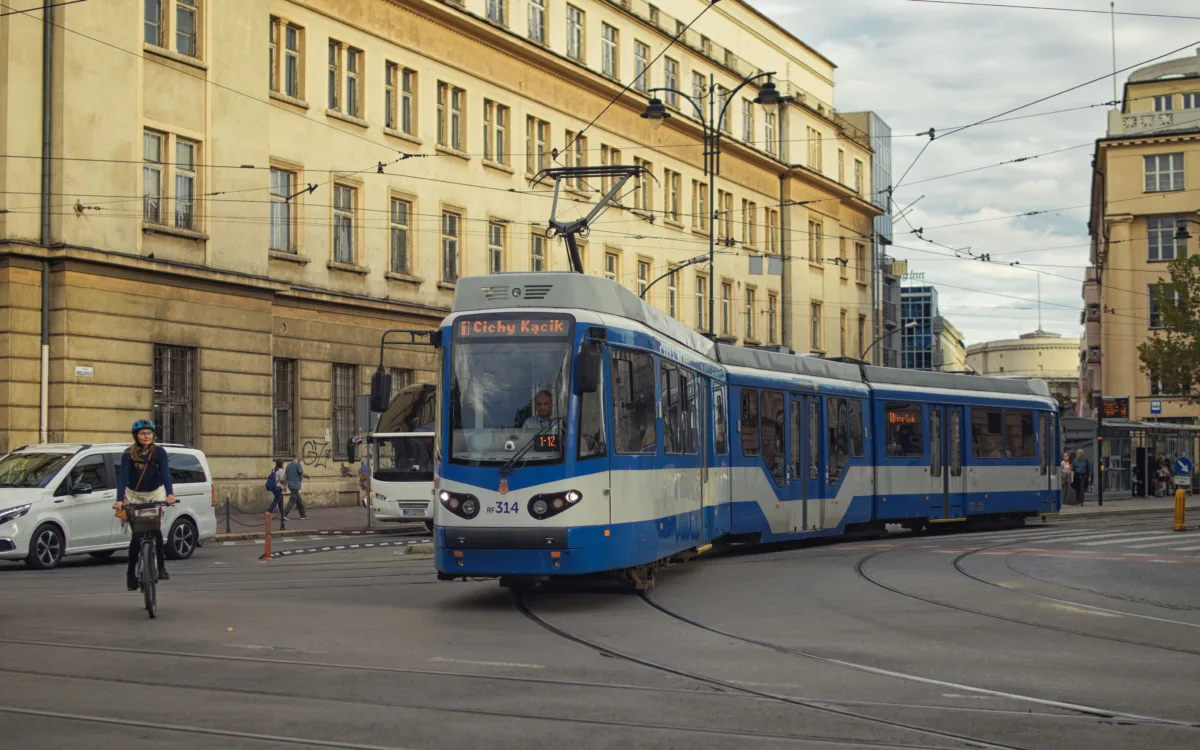
Kraków’s trams and buses are largely low-floor and step-free, with spaces for wheelchairs and audio-visual stop announcements; the network, run by MPK, is one of the more accessible in Poland. Pavements in the newer districts are smooth, but in the Old Town and Kazimierz expect cobblestones and uneven setts, which can be hard going — plan shorter distances there and take your time. Accessible taxis and transfer services operate in the city; book ahead where you can.
Cobblestones and the Old Town
The historic centre is flat but paved in stone, and Wawel Hill involves a gentle climb. Many visitors with limited mobility focus on the Main Market Square and the level streets around it, and use trams to hop between areas rather than crossing the whole centre on foot. Resting points, cafés and benches are plentiful.
Accessible sights
Accessibility varies by site and it is always worth checking with the venue, but as a rule:
- The Rynek Underground museum beneath the Main Market Square is modern and step-free, with lifts — one of the easiest major sights.
- Schindler’s Factory and MOCAK in Podgórze are modern museums with lift access.
- Wawel and some historic churches have steps and thresholds; parts are accessible, but call ahead to plan a route.
- The Wieliczka Salt Mine offers a dedicated accessible route for visitors who cannot manage the standard stairs — book it in advance.
Practical help
The city’s official InfoKraków tourist information points can advise on accessible routes and venues, and many museums publish accessibility details on their websites. Blue-badge parking exists around the centre, and some attractions offer reduced or free entry for visitors with disabilities and their carers — ask at the ticket desk.
Practical tips
- Plan by area. Group sights that are close together and use accessible trams between them rather than long cobbled walks.
- Call ahead. Accessibility details change; confirm lift access, step-free entrances and accessible toilets with each venue before you go.
- Wheelchair and equipment hire. Available in the city through specialist services — arrange it before you travel.
- Combine it. Our public transport guide and 2–3 day itinerary help you build a comfortable plan.
Frequently asked questions
Largely yes, with planning. Trams and buses are mostly low-floor and step-free, and modern museums have lifts — but the Old Town and Kazimierz are paved in cobblestones, which can be hard going, so plan by area and use trams between them.
Mostly. The MPK network is largely low-floor and step-free, with wheelchair spaces and audio-visual stop announcements — one of the more accessible systems in Poland.
The Rynek Underground museum is modern and step-free with lifts, and Schindler’s Factory and MOCAK have lift access. Wawel and historic churches have steps, so call ahead; the Wieliczka Salt Mine has a dedicated accessible route.
The centre is flat but paved in cobblestones and stone setts, which are uneven and tiring. Many visitors focus on the Main Market Square and level streets nearby and use trams to move between areas.
The official InfoKraków tourist information points can advise on accessible routes and venues, and most museums publish accessibility details on their websites. Ask at ticket desks about reduced or free entry for visitors with disabilities and carers.
Yes — specialist services in the city hire out wheelchairs and mobility equipment. Arrange it before you travel, and book accessible taxis or transfers ahead where you can.
Comments
No comments yet — be the first on the forum.
Add a comment on the forum →