Rakowicki Cemetery: Kraków’s Historic Necropolis
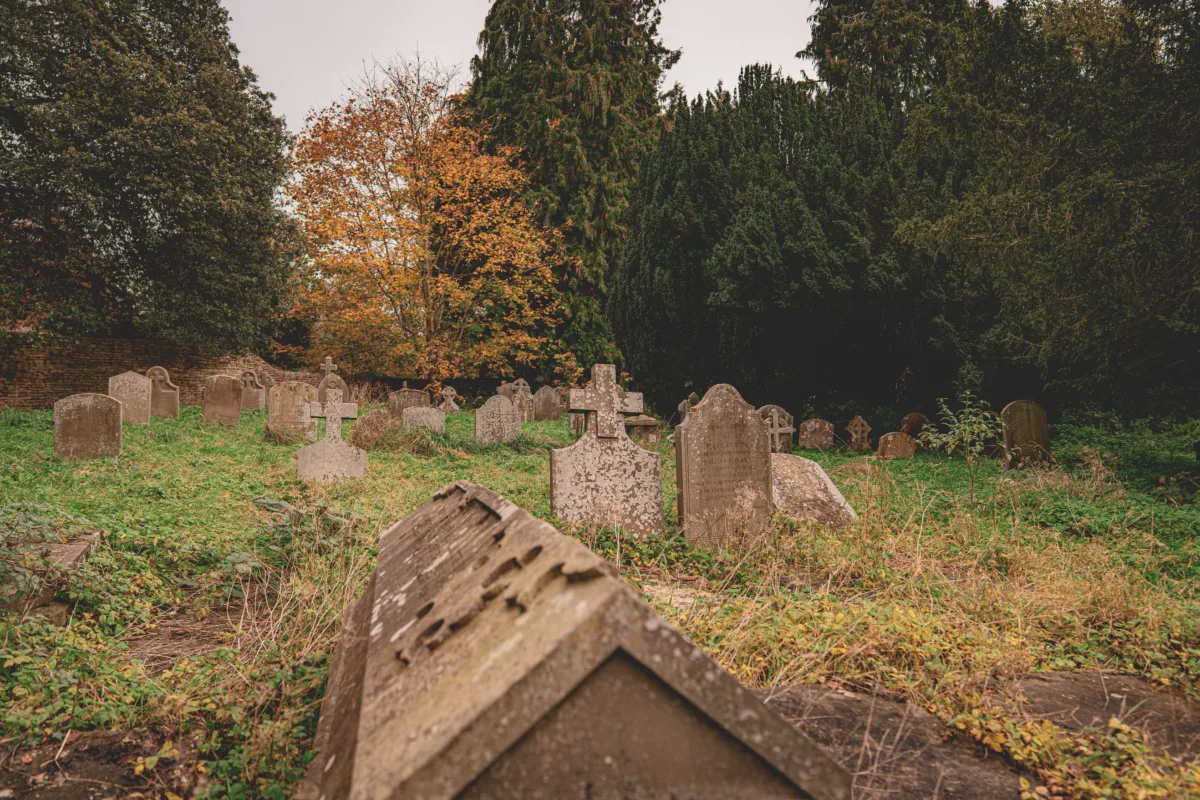
North of the Old Town lies one of the most important historic cemeteries in Poland: the Rakowicki Cemetery, a vast, tree-shaded necropolis where much of Kraków’s history is written in stone. It is a surprisingly rewarding place to wander — a sculpture park, a who’s-who of Polish culture and a quiet green space all at once. For the wider picture, see our Kraków travel guide and green Kraków guide.
A necropolis of Kraków
Opened in 1803, the Rakowicki Cemetery grew into a grand 19th-century necropolis of avenues, chapels and monumental tombs. Many of the people who made Kraków — artists, scholars, scientists and heroes — are buried here, among them the painter Jan Matejko and members of the families of Wyspiański and other cultural figures. The funerary sculpture, from Neoclassical to Art Nouveau, makes it an open-air gallery as much as a graveyard.
When to visit
The cemetery is at its most moving around All Saints’ Day (1 November), when Poles tend family graves and the whole necropolis glows after dark with thousands of candles — one of the most atmospheric sights in the city. At any other time it is a calm, contemplative place for a slow walk.
Practical tips
- Free and open. The cemetery is free to enter during opening hours; it is an active burial ground, so visit with respect.
- Getting there. A short tram ride or walk north-east of the Old Town, on Rakowicka Street.
- Around 1 November it is especially beautiful but busy; weekdays are quietest the rest of the year.
- Dress for the weather and allow time — the grounds are large and easy to lose yourself in.
Frequently asked questions
One of the most important historic cemeteries in Poland, opened in 1803 north of Kraków’s Old Town. It is a grand 19th-century necropolis of avenues, chapels and monumental tombs, and the resting place of many notable Poles.
Many figures who shaped Kraków and Poland — artists, scholars, scientists and heroes — including the painter Jan Matejko. Its funerary sculpture ranges from Neoclassical to Art Nouveau.
It is most moving around All Saints’ Day on 1 November, when the necropolis glows with thousands of candles after dark — though it is busy then. The rest of the year, weekdays are quietest.
Yes, it is free to enter during opening hours. It is an active burial ground, so visit with respect.
A short tram ride or walk north-east of the Old Town, on Rakowicka Street.
Comments
No comments yet — be the first on the forum.
Add a comment on the forum →